
Best in: Spring, Summer, Fall, Winter
Ingredients (scaled)
16 servings
Directions
Heat 1.5 cups of water to a boil on the stove. Once the water is hot, add the cinchona bark, kill the heat, and let steep for 20 minutes, covered. Remove from heat and strain out the cinchona bark first using a fine mesh strainer and then either with several layers of cheesecloth or using a jury-rigged aeropress. Move the liquid into a tupperware container and combine with sugar and citric acid at room temperature. Shake, if youre in a hurry. Once the sugar has dissolved fully, store the tonic syrup in the refrigerator.
Notes
I dont like adding fresh citrus juice of any kind to syrups because they have a tendency to spoil, lose their freshness, and make the rest of the product go cloudy.
If youre wondering about other ingredients, like lemongrass and allspice, see below. What's wrong with just buying tonic water?
Cost
If you're reading this site, I am going to assume you're not one to be satisfied with normal store-bought tonic water. That means you prefer finer brands, like Q Tonic or Fever Tree. Both companies make some fine products, but they don't come cheap. Q Tonic costs $0.25/oz if you buy it in bulk. Fever tree runs closer to $0.20/oz.
I've done the math, and my tonic syrup runs also runs about $0.25/oz. But since a gin and tonic needs 4 oz of tonic water, and a homemade drink only required 1 oz of tonic syrup, the commercial tonics actually cost about four times as much as home-made .
Tailoring the tonic to taste
Cocktail geeks will read the recipe for simple tonic syrup above and balk. What, no lemongrass? No allspice? Not even some citrus peels or juice?
No.
Yes, you should consider adding some of your favorite modifiers to the syrup depending on the cocktail and the base spirit. But not before you try a gin and tonic plain. Personally, I was blown away by how the simple bitterness of cinchona brought out complexities and harmonies in gin. Don't muddy the flavors just because you think you're cool.
Once you've worn the plain tonic for a few drinks and it feels comfortable against your skin, start thinking about the gins (or vodka, bourbons, etc.) you'd like to play with and whether that spirit needs a modifier. With a smooth gin like plymouth, I like a squeeze of lemon and some lavender or elderflower infused into the syrup. With tanqueray, it's all about allspice and orange peel. My thoughts on various brands of tonic
Like I mentioned above, I tried a number of different brands of tonic and recipes while developing this recipe. Here are some notes, for those of you who are interested.
Standard, retail stuff (Schweppes, canada dry, etc.): These all taste really medicinal and one-note to me. Not that medicinal is always a bad thing when it comes to cocktails, but in this case it is. High Fructose Corn Syrup usually contributes to cheap tonic's bad rap, but I'm not sure it's truly to blame. Regardless, the stuff is pretty gross. Q Tonic: I'm a huge fan of all of Q Tonic's products (ok, except the club soda – really?) and their tonic water is no exception. The lemongrass is clearly evident without being overpowering. The use of agave helps to reduce the cloying mouthfeel (it has to do with fructose vs. sucrose blah blah blah...) and the bitterness is just perfect. Fever Tree: A little bit more sharp and less integrated that the Q Tonic stuff. Overall, not a bad product, but I somewhat prefer the bitter lemon or mediterranean tonic versions, which have more character. Tomr's Tonic = I really, really, really wanted to like this. And Tomr's is definitely better than the store-bought stuff... but I just can't get over the acidity. I'm not sure what was added to the mix besides citric acid, but this tonic syrup has an off-putting chemical artificial-lemon-juice taste I just can't shake. Mixed in a gin and tonic, the chemical flavor mostly subsides, but so does the bitterness of the cinchona. Once again, not bad, but for a handcrafted (and not cheap!) product, I expected more. Jeffrey Morganthaler's Recipe: This is the quintessential recipe that set the whole homemade tonic concept in motion. Jeffrey's recipe is delicious, if a little sour for my taste. My main problems with it were that 1: it wasn't bitter enough, 2: powdered cinchona is a huge pain in the (@* to filter, and 3: mixing fresh citrus juices into the "syrup" turn it cloudy and drastically reduce shelf-life. Maybe his recipe makes sense if you expect to go through a batch of tonic in a busy night, but for the home enthusiast, it really isn't practical.
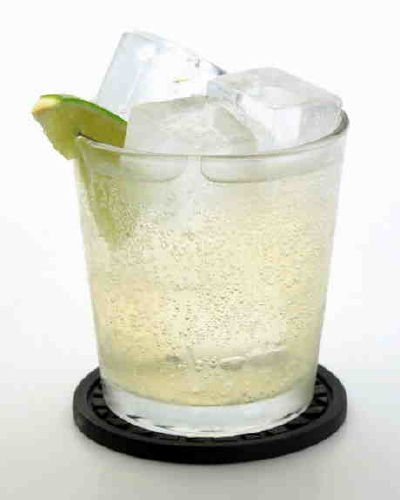
Simple Gin and Tonic 3 parts soda water 2 parts gin 1 part Simple Tonic Syrup Build over ice. Garnish with a lime wedge, if desired. Notes - Notice how the gin and tonic pictured above is just slightly colored and not at all cloudy. Other recipes I've seen tend to be dark, even sludgy. I think that's because the other tonics were not filtered as well or due to the addition of other ingredients.
Notes
I dont like adding fresh citrus juice of any kind to syrups because they have a tendency to spoil, lose their freshness, and make the rest of the product go cloudy.
If youre wondering about other ingredients, like lemongrass and allspice, see below. What's wrong with just buying tonic water?
Cost
If you're reading this site, I am going to assume you're not one to be satisfied with normal store-bought tonic water. That means you prefer finer brands, like Q Tonic or Fever Tree. Both companies make some fine products, but they don't come cheap. Q Tonic costs $0.25/oz if you buy it in bulk. Fever tree runs closer to $0.20/oz.
I've done the math, and my tonic syrup runs also runs about $0.25/oz. But since a gin and tonic needs 4 oz of tonic water, and a homemade drink only required 1 oz of tonic syrup, the commercial tonics actually cost about four times as much as home-made .
Tailoring the tonic to taste
Cocktail geeks will read the recipe for simple tonic syrup above and balk. What, no lemongrass? No allspice? Not even some citrus peels or juice?
No.
Yes, you should consider adding some of your favorite modifiers to the syrup depending on the cocktail and the base spirit. But not before you try a gin and tonic plain. Personally, I was blown away by how the simple bitterness of cinchona brought out complexities and harmonies in gin. Don't muddy the flavors just because you think you're cool.
Once you've worn the plain tonic for a few drinks and it feels comfortable against your skin, start thinking about the gins (or vodka, bourbons, etc.) you'd like to play with and whether that spirit needs a modifier. With a smooth gin like plymouth, I like a squeeze of lemon and some lavender or elderflower infused into the syrup. With tanqueray, it's all about allspice and orange peel. My thoughts on various brands of tonic
Like I mentioned above, I tried a number of different brands of tonic and recipes while developing this recipe. Here are some notes, for those of you who are interested.
Standard, retail stuff (Schweppes, canada dry, etc.): These all taste really medicinal and one-note to me. Not that medicinal is always a bad thing when it comes to cocktails, but in this case it is. High Fructose Corn Syrup usually contributes to cheap tonic's bad rap, but I'm not sure it's truly to blame. Regardless, the stuff is pretty gross. Q Tonic: I'm a huge fan of all of Q Tonic's products (ok, except the club soda – really?) and their tonic water is no exception. The lemongrass is clearly evident without being overpowering. The use of agave helps to reduce the cloying mouthfeel (it has to do with fructose vs. sucrose blah blah blah...) and the bitterness is just perfect. Fever Tree: A little bit more sharp and less integrated that the Q Tonic stuff. Overall, not a bad product, but I somewhat prefer the bitter lemon or mediterranean tonic versions, which have more character. Tomr's Tonic = I really, really, really wanted to like this. And Tomr's is definitely better than the store-bought stuff... but I just can't get over the acidity. I'm not sure what was added to the mix besides citric acid, but this tonic syrup has an off-putting chemical artificial-lemon-juice taste I just can't shake. Mixed in a gin and tonic, the chemical flavor mostly subsides, but so does the bitterness of the cinchona. Once again, not bad, but for a handcrafted (and not cheap!) product, I expected more. Jeffrey Morganthaler's Recipe: This is the quintessential recipe that set the whole homemade tonic concept in motion. Jeffrey's recipe is delicious, if a little sour for my taste. My main problems with it were that 1: it wasn't bitter enough, 2: powdered cinchona is a huge pain in the (@* to filter, and 3: mixing fresh citrus juices into the "syrup" turn it cloudy and drastically reduce shelf-life. Maybe his recipe makes sense if you expect to go through a batch of tonic in a busy night, but for the home enthusiast, it really isn't practical.
Simple Gin and Tonic 3 parts soda water 2 parts gin 1 part Simple Tonic Syrup Build over ice. Garnish with a lime wedge, if desired. Notes - Notice how the gin and tonic pictured above is just slightly colored and not at all cloudy. Other recipes I've seen tend to be dark, even sludgy. I think that's because the other tonics were not filtered as well or due to the addition of other ingredients.
Notes
Click to add notes...
Nutrition Facts (per serving)
Calories
g
Protein
g
Carbs
g
Fat
g
Fiber
g
Sugar
mg
Sodium
mg
Cholesterol